

Meet Our Staff
Hours & Location
Frequently Asked Questions
Financing Options
Food for Orthodontic Thought
Emergency Information
.
Registration Form
Privacy Notice
FINDLAY ORTHODONTICS
...specialists in creating beautiful smiles!
"Specialists in creating beautiful smiles."
Our Office
Dr. Chris Roberts earned his Doctor of Dental Surgery from Ohio State University in 1983. After completing a general dental residency program and a research fellowship at University of Rochester, he completed his advanced specialty training in orthodontics at the Eastman Dental Center. He has practiced orthodontics in Findlay since 1987. Dr. Roberts is an Adjunct Associate Professor at the University of Michigan. He spends Thursdays in Ann Arbor teaching graduate orthodontic residents.
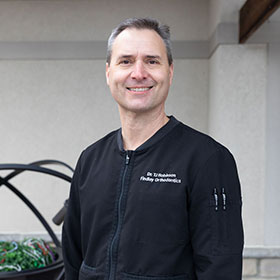
Dr. T. J. Robinson received his Doctor of Dental Surgery from the University of Michigan in 1996. After completing a general dentistry residency program and serving in the United States Air Force, Dr. Robinson returned to the University of Michigan for his advanced specialty training in orthodontics. He has practiced orthodontics in Findlay since 2003. Dr. Robinson is an Adjunct Clinical Lecturer at the University of Michigan School of Dentistry and also teaches in Ann Arbor on Thursdays.
Diana and Teresa
Records / Labwork
Lydia
Receptionist
Donna
Treatment Coordinator
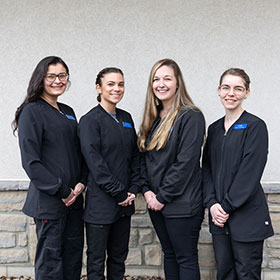
Sherrie, Paula and Mindy
Treatment Assistants
Office Hours: MTWF 8 to 5 (Summer hours may vary)
We strive to provide the highest quality orthodontic treatment and create beautiful, healthy smiles in a caring, professional environment.
We try hard to stay on schedule, understanding that our patients and their families have busy lives.
Patients appreciate our appointment reminders sent via e-mail or text message.
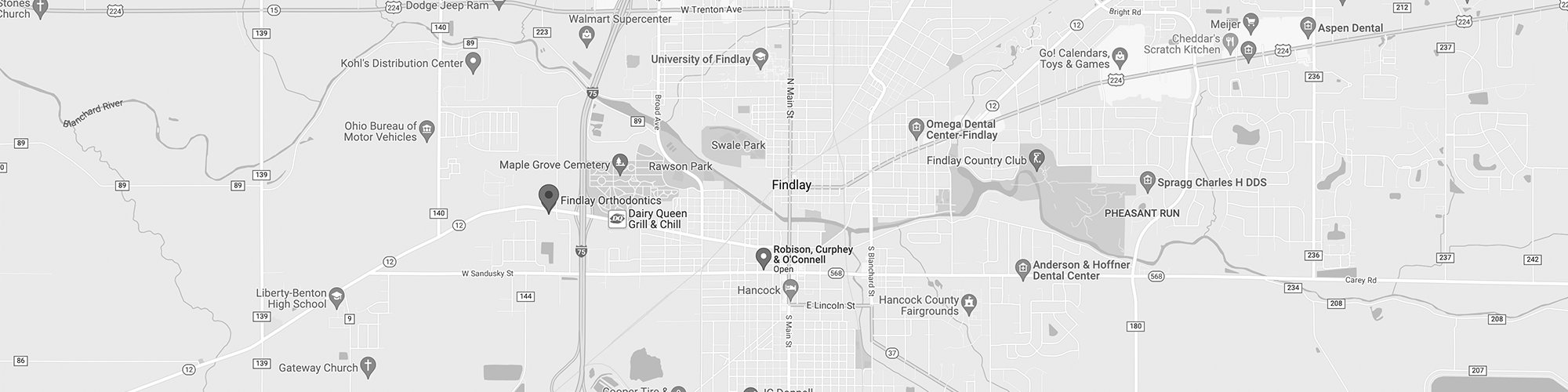
Our office is located just west of Interstate 75 on West Main Cross, across the street from Findlay Animal Care Center.
BASIC INFORMATION
What is an orthodontist?
An orthodontist is a dentist who, after college and completion of four years of dental school, has had at least two or three additional continuous years of advanced specialty training at an accredited university. An orthodontist is trained to design, apply and control corrective appliances (braces) to bring teeth, lips and jaws into proper alignment to achieve facial balance. Drs. Roberts and Robinson are the only orthodontists practicing in the Findlay area.
Why should I choose an orthodontist specialist?
Teeth and sometimes entire facial structures are permanently changed by orthodontic treatment. It is important that the treatment is appropriate and properly completed. Orthodontic specialists have extensive and specialized training that enables them to provide their patients with professional and personalized treatment.
Why seek orthodontic treatment?
A beautiful, healthy, sensational smile and improved self-image are just some of the benefits of orthodontics. Teeth have an important role in physical health, as well. Without treatment, orthodontic problems may lead to tooth decay, gum (periodontal) disease, bone loss, speech impairment, chewing and digestive disorders, unnecessary tooth loss, and other associated dental problems.
What is a malocclusion, and why should it be treated?
A malocclusion or "bad bite" is the term for teeth that do not fit together and function correctly. Many times, malocclusions are inherited. In some instances, they result from habits or functional problems like a tongue thrust. Cavities and early extractions of baby teeth can also lead to malocclusion problems. Whatever the cause, malocclusions are not good.
According to studies by the American Association of Orthodontists, untreated malocclusions can result in a variety of problems. Crowded teeth are more difficult to properly brush and floss, which may contribute to tooth decay and/or gum disease. Protruding teeth are more susceptible to accidental chipping. Cross bites can result in unfavorable growth and uneven tooth wear. Openbites can result in tongue-thrusting habits and speech impediments. By correcting malocclusions, orthodontics does more than make a pretty smile--it creates a healthier you!
By what age should my child be seen by an orthodontist?
The American Association of Orthodontists (www.braces.org) recommends that your child be evaluated by age 7. An early examination allows the orthodontist to determine how and when a child's particular problem should be treated for maximum improvement and the best result. Many times, early intervention can be invaluable to successful treatment. In these cases, early treatment can achieve results that would be unattainable once the face and jaws have completed growing.
When is an adult too old for braces?
Adults who have healthy teeth and supporting gum tissues are never too old for orthodontic treatment. Increasing numbers of adults are taking advantage of the lifelong benefits or orthodontics. These are individuals who've made the choice to spend their lives with an attractive, healthy smile and the confidence that it brings.
CONSIDERING TREATMENT
What will happen at my first appointments?
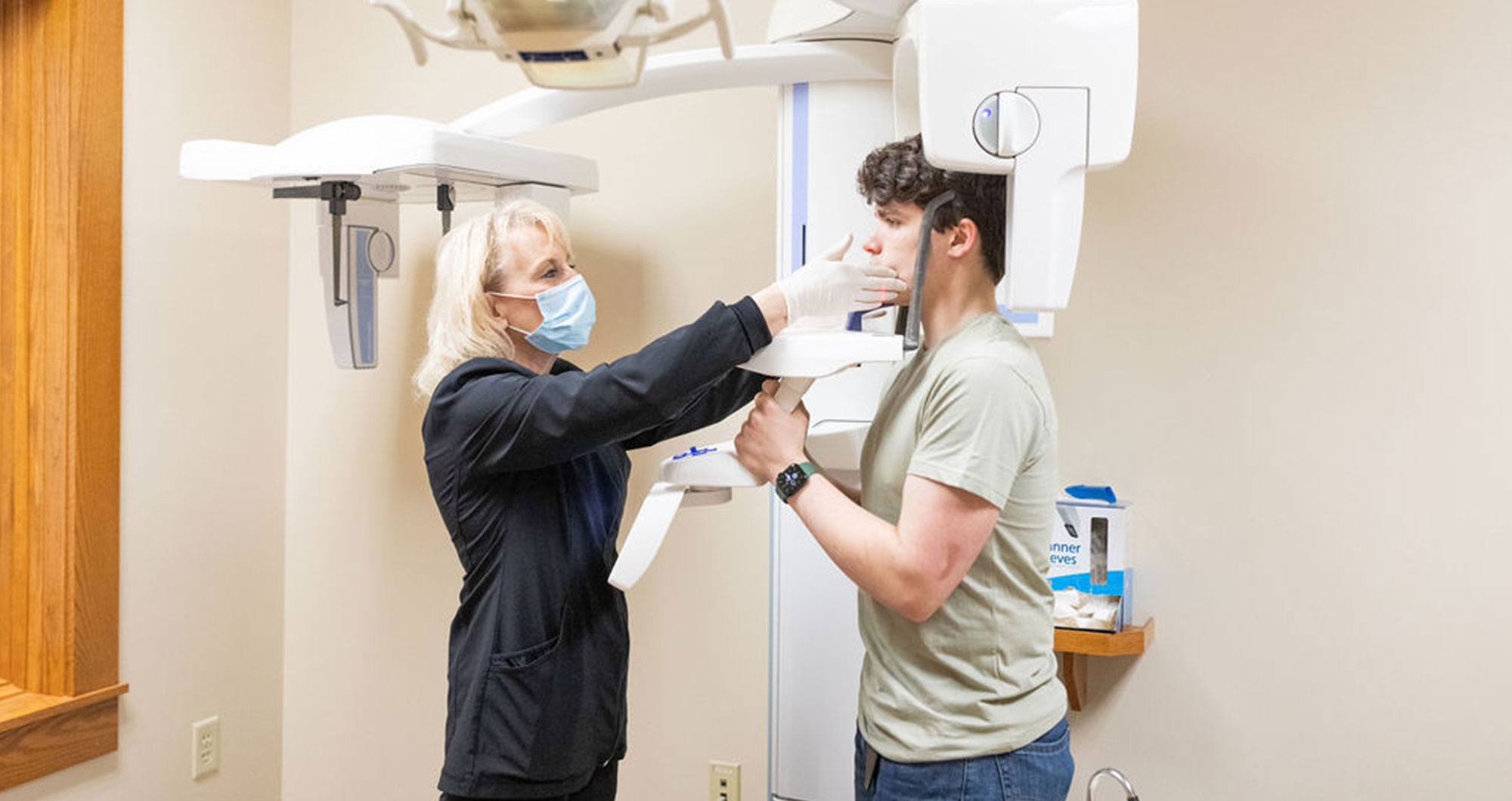
At the initial examination visit, a routine dental and medical history will be taken to see if there is anything that may affect or complicate orthodontic treatment. The orthodontist will then perform a visual examination of the patient to determine whether a present or potential orthodontic problem exists. This appointment typically lasts about 15 minutes. If the doctor feels that treatment would be beneficial to the patient, he may recommend that orthodontic records be taken to determine the full extent of treatment necessary.
Orthodontic records include study models, x-rays and photographs. These records allow the orthodontist to develop a complete orthodontic diagnosis and treatment plan. Once the records have been taken, a consultation appointment will be scheduled.
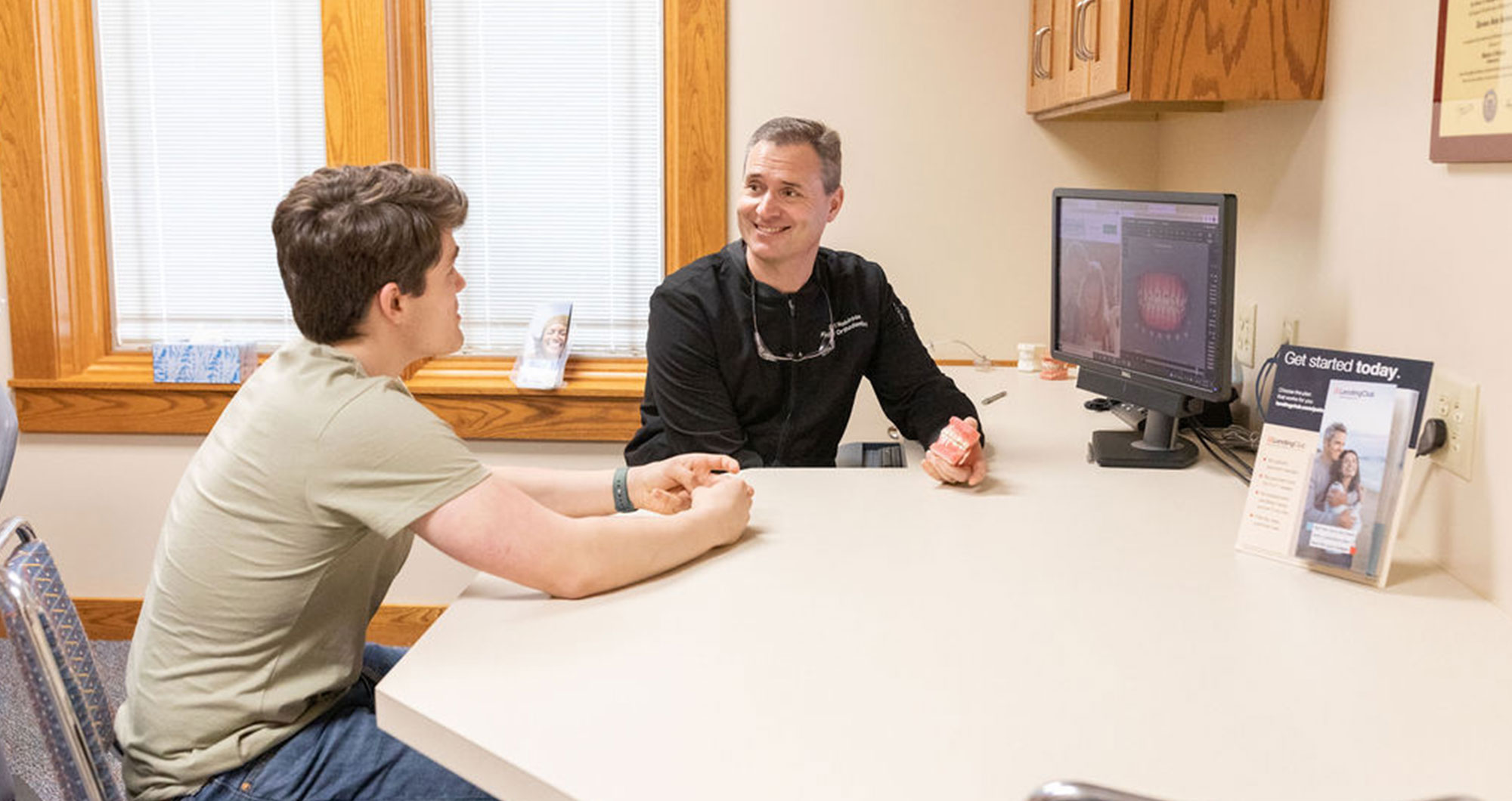
At the orthodontic consultation you will be informed of the doctor’s diagnosis and treatment plan. This will include a thorough description of the orthodontic problem, the type of orthodontic appliances to be used, the approximate length of treatment, and the cost of the treatment proposed.
How much will treatment cost?
There really is no average cost, as treatment needs differ from patient to patient. The cost of treatment depends on the complexity and length of the treatment indicated.
Will insurance pay for treatment?
Today, many insurance plans provide some type of orthodontic benefit. Our knowledgeable staff will work with you to maximize your benefit, so that financial concerns do not become a barrier to a healthy, lasting smile.
How long will treatment take?
At your consultation appointment, an estimate of total treatment time will be given. But remember, an estimate is only an estimate! Patients grow at different rates and respond in different ways to treatment.
The single best predictor of finishing orthodontics "on time" is patient cooperation and motivation. Patients who take care of their appliances, keep their teeth very clean, and who cooperate with instructions (such as for wearing rubber bands, etc.) will see the fastest result. In many instances, those patients who are great helpers find that their braces may come off early!
IN TREATMENT
How often are my appointments?
The vast majority of visits will occur every 4 to 6 weeks. When treatment is complete, retainer adjustment visits are spaced further and further apart until finally, follow up checks are no longer needed.
How important is patient cooperation during orthodontic treatment?
Successful orthodontic treatment is a "two-way street" requiring consistent, cooperative effort by both the orthodontist and patient. To successfully complete orthodontic treatment, the patient must carefully clean their teeth, keep appointments as scheduled and occasionally wear rubber bands, headgear, or other appliances as prescribed by the orthodontist. Damaged appliances and unhealthy gum tissue can lengthen the treatment time and may undesirably affect the outcome of treatment. The teeth and jaws can only move toward the desired position if the patient follows home care instructions as prescribed.
Do I need to see my general dentist while in orthodontic treatment?
Yes, you do! Our practice is limited to orthodontics, so we must work hand in hand with your general dentist to maintain the optimum health of your teeth and gums. We encourage you to maintain regular check-ups and cleanings with your dentist. Adults who have a history of periodontal (gum) disease may also need to see a periodontist (gum specialist) on a regular basis throughout orthodontic treatment
Why are retainers so important?
Teeth are in BONE, not in STONE! Because of this, teeth will always have a tendency to move as your face and jaws continue to change with time, unless they are prevented from doing so. For this reason, following active orthodontic treatment custom-designed retainers will be given to each patient. Retainers are specially-designed appliances that help prevent teeth from drifting or moving once braces are removed. Like all parts of the body, teeth are constantly changing and adapting. Only conscientious wear of the retainers will keep movement to a minimum.
What if I do not wear my retainers?
If retainers are not worn as directed, it is likely that your teeth may begin to shift. This can lead to the same esthetic and functional problems that were present before treatment! In certain situations, the only remedy is to undergo orthodontic treatment again, incurring additional expense.
MISCELLANEOUS
Will braces interfere with playing sports or a musical instrument?
No. However, when playing any sport where there is a chance of contact, you will want to wear a mouthguard.
There is of course an initial period of adjustment with instruments that have a mouth piece which presses against the lips. There is no guarantee, however, that braces will ensure that you play on-key!
Can habits like thumb sucking cause a problem?
Prolonged habits can indeed affect the way the teeth grow in and will ultimately affect the bite. Other habits such as open mouth breathing, finger sucking, or lip biting can also cause complications. Early examination by an orthodontist will determine if treatment will aid in the cessation of harmful habits.
Do braces cause cavities?
No, braces do not cause cavities. Cavities are caused by plaque, or accumulations of bacteria that form around food that is left on teeth. Braces can sometimes make it more difficult to keep teeth super clean, and it's therefore important that extra special care be taken when brushing and flossing. With proper brushing, flossing and a good diet, cavities can certainly be prevented!
We take great pride in our cavity prevention program! When we first place braces, we thoroughly review exactly how to keep teeth super clean. Hygiene is closely monitored at each appointment, and special instructions are given throughout treatment, so that our patients finish with not only straight teeth, but healthy teeth.
What about sterilization?
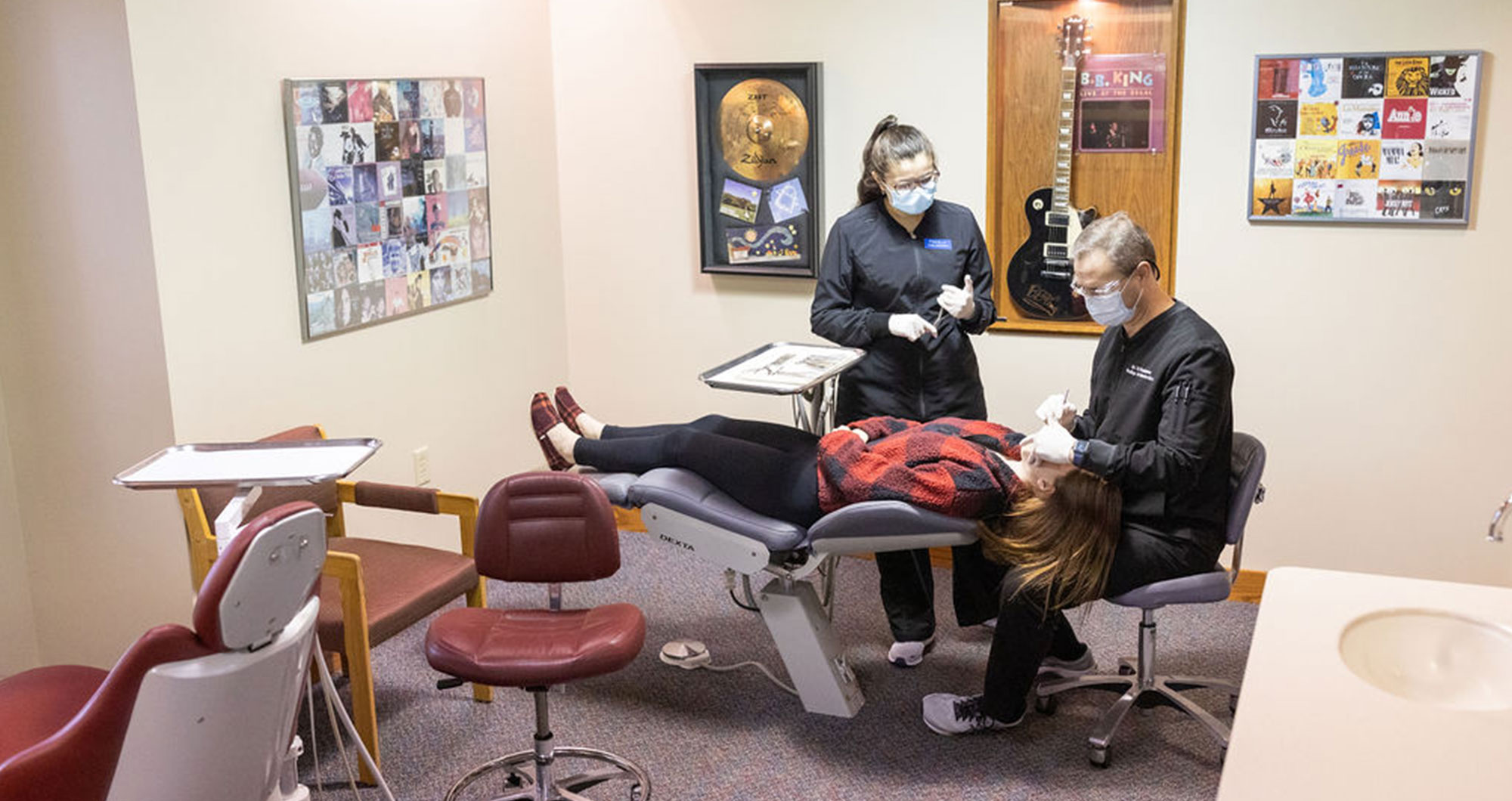
Our patients' health and peace of mind are paramount. Therefore, we use state-of-the-art sterilization and disinfection procedures on every level. We ultrasonically clean and sterilize non-disposable instruments with procedures that are identical to those used in major hospitals. After each patient visit, the entire treatment area is thoroughly disinfected. Every team member wears new gloves and a mask during all procedures. Please feel free to ask us for more information on the measures we take to ensure the health and safety of you and your children.
Please do not EAT or CHEW the following items:
Gum, Caramel Candy, Gummy Candy, Jelly Beans: Sticky food pulls off wires and feeds the bacteria in your mouth.
Ice: You may have ice in your drinks, but please do not chew on ice. It will destroy your braces.
Hard Breads and Pizza Crust: The hard crusts bend wires, please cut up pizza crusts to eat.
Hard Tacos: The crunchy shell can break off brackets. Soft tacos are fine.
Hard Candy, Jaw Breakers or Suckers: Bends wires and knocks off brackets.
Nuts of any kind: Nuts will break brackets and bend wires.
Popcorn: The hulls can get between your gums and bands. Unpopped kernels will break brackets.
Ribs and Corn on the Cobb: Will knock off brackets. Please cut the corn off of the cob, and the meat off of ribs.
Pretzels, Doritos, Tostitos and Fritos: Too crunchy and will break off your braces.
Carrots and Apples: Please cut into slices and chew in the back of your mouth.
Pens and Pencils: Favorite exam time food…breaks everything!
EATING THESE FOODS WILL PROLONG TREATMENT! This list should be posted on your refrigerator door.
Any extreme pain, accidents, or trauma to the teeth or braces are considered emergencies. Do not hesitate to call us or your general dentist. Other less severe situations, as listed below, may be alleviated at home or until you can be seen the next business day.
Discomfort
When you get your braces on, you may feel some general soreness in your mouth. It is normal for your teeth to be tender to biting pressures for a few days. To feel better, you may rinse your mouth with a warm salt water mouth rinse. Dissolve one teaspoonful of salt in 8 ounces of warm water, and rinse your mouth. If the tenderness is more uncomfortable, take Tylenol (acetaminophen) or Advil (ibuprofen), or what you normally take for headache or similar pain.
Loose Bracket, Wire, Elastic or Band
Don't be alarmed if something comes loose as this may occasionally happen. This is typically not an emergency. Keep any parts that detach from your braces and bring them in a zip-lock bag to your next appointment.
If something is loose or broken, please call and let us know. We may add some time to your next scheduled appointment or, depending on the circumstances, we may want to repair the broken item as soon as possible.
Remember to follow the list of foods to avoid, which will minimize broken appliances.
Poking/Irritating Wire
If a wire protrudes and is irritating, use a blunt instrument (like the eraser end of a pencil) and gently push the irritating wire out of the way. Alternatively, wax may be placed over any sharp or poking wires. If it cannot be bent away or covered, it may be cut with a nail clipper.
Lost separators
Some patients may lose a separator. Call our office to see if it needs to be replaced.
Lost Retainers
If you lose your retainers, please call us the next business day for an appointment to have replacements made.
Financing options that will make you smile!
Orthodontic treatment is an excellent investment in the overall dental, medical and psychological well being of children and adults. We offer several financing options including no-interest, low interest and extended payment plan options.
In-office interest free financing option: We offer an in-office interest-free payment plan, which consists of a down payment of approximately 30%, plus a monthly payment through the proposed length of treatment. For your convenience, we can automatically deduct your payment from your checking or savings account, or place it on your MasterCard or Visa, at no additional fee.
Fee discount option: If you pay the treatment fee in full at the start of treatment, we offer a 3% bookkeeping discount for credit card payment and 5% discount for cash or check payment.
Healthcare financing option: For your benefit, we offer specialized financing with Springstone Patient Financing to provide you with a variety of financing options, including a no down payment option, a no interest option or terms from 18 to 84 months. The application process is easy and can be done over the phone or on-line. They have a high approval rate and a fast reply time. You can call 1-800-630-1663 or visit their website at www.springstoneplan.com
Insurance: We will be happy to work with you and your insurance company for your benefit.
Flex Accounts: Orthodontics is one health related expense that is a fixed amount per year. It can be easily planned when determining how much to contribute per year. We will be happy to work with you regarding your flex accounts.
Contact Us
Email Us
1619 West Main Cross
Findlay, OH 45840
419.423.1452
Name
Email
Subject
Message
Related Links
©2010 Findlay Orthodontics, Inc. All rights reserved.
Tel: 419.423.1452
1619 W Main Cross, Findlay, OH 45840